
Robotic surgery, once confined to major private hospitals in India, is now available in some public health sector hospitals, as demand rises and more affordable options become available.
The Regional Cancer Center in Kerala received $7 million in funding to establish the state’s first robotic surgery facility in a public hospital through the Rebuild Kerala Initiative. A similar facility is also being set up at the Malabar Cancer Center with support from the same program.
In Kerala, four private institutions – Apollo Adlux Hospital, Amrita Hospital, and Aster Medcity – offer Robot-Assisted Surgery (RAS) using the da Vinci Surgical System from Intuitive Surgical. RAS is known for reduced pain after surgery, shorter hospital stays, and quicker recovery for patients compared to traditional open surgeries.
Across India, major private hospital chains such as Apollo Hospitals and Max Healthcare operate the largest robotic surgery programs, utilizing systems such as da Vinci, Renaissance, and CORI. Other private facilities have adopted systems such as Hugo RAS and CMR’s Versius respectively.
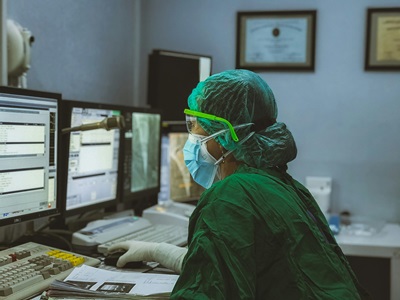
RAS procedures have been performed in India since 2002, mainly using Intuitive’s da Vinci which remains the market leader. Common procedures include gastrology, urology, gynecology, as well as some spinal and cardiothoracic operations. The Indian RAS market is projected to be worth around $300 million this year.
Intuitive India’s VP Mandeep Singh Kumar expects a post-COVID surge in RAS demand, including from standalone hospitals and tier 2/3 cities attracted by the shorter recovery times. However, the high costs have been a barrier to broader adoption.
As demands fly and more affordable home-grown options enter the mix, robotic surgery access is expected to proliferate in India’s public health infrastructure over the coming years.
Last updated: December 26th, 2025

