
At a time when global markets face turbulence due to U.S. trade tariffs, IMF Managing Director Kristalina Georgieva has expressed strong confidence in India’s economic trajectory. She commended India’s bold reforms, particularly its successful implementation of the digital identity system, Aadhaar, which defied global skepticism.
Georgieva highlighted India’s emergence as a key engine of global growth, especially as China’s economic momentum slows. With global growth projected at around 3% — down from 3.7% pre-pandemic — India’s structural reforms, including tax legislation changes and the September overhaul of the Goods and Services Tax (GST), are seen as stabilizing forces.
Despite facing a 50% tariff on exports to the U.S., India’s economy remains resilient. Economists believe the impact will be minimal due to strong domestic fundamentals.
Georgieva identified four pillars supporting India’s stability: sound policy foundations, business sector adaptability, less severe tariff effects than expected, and a favorable financial climate.
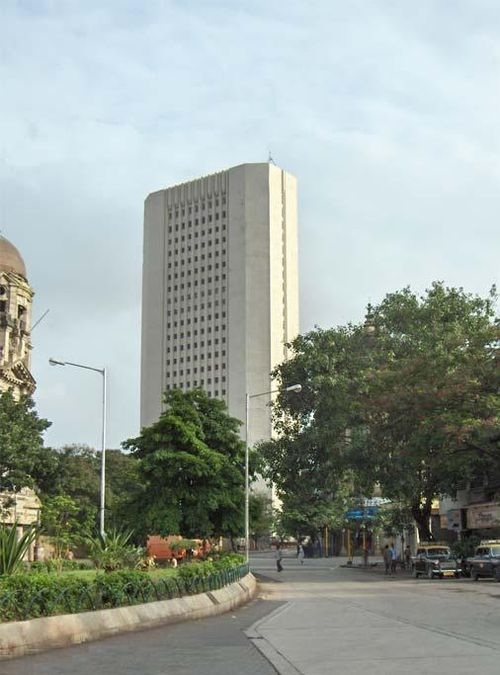
The IMF projects India will surpass Japan to become the world’s fourth-largest economy in nominal GDP by the end of this fiscal year, and eventually overtake Germany to rank third behind the U.S. and China. According to the Reserve Bank of India, real GDP growth for 2025–26 is forecast at 6.8%, with quarterly estimates ranging from 6.2% to 7.0%. Growth for Q1 of 2026–27 is projected at 6.4%, with risks considered evenly balanced.
Last updated: December 26th, 2025

