
In recent years, New Delhi has upped its overseas lending, providing tens of billions of dollars in credit to countries in the region, including financially distressed Belt and Road Initiative (China’s program) recipients such as Sri Lanka.
India’s role as a creditor, by which it offers other governments lines of credit, currently amounts to more than $32 billion. This is a nearly threefold increase in value since Modi came to office. Yet, this is far below than what China has spent through its Belt and Road Initiative, launched nine years ago, which the American Enterprise Institute think-tank estimates reached $838 billion last year.
India has extended more than 300 lines of credit for around 600 projects, ranging from a cement factory in Djibouti, Africa to the “Greater Malé Connectivity Project”, a 7 km bridge linking the capital to several other surrounding islands in the Maldives. India has also funded everything from training courses to restoring overseas cultural sites such as mosques and temples. Brad Parks, executive director at AidData says that India’s ExIm Bank credit generally carries more concessional terms than Chinese loans.
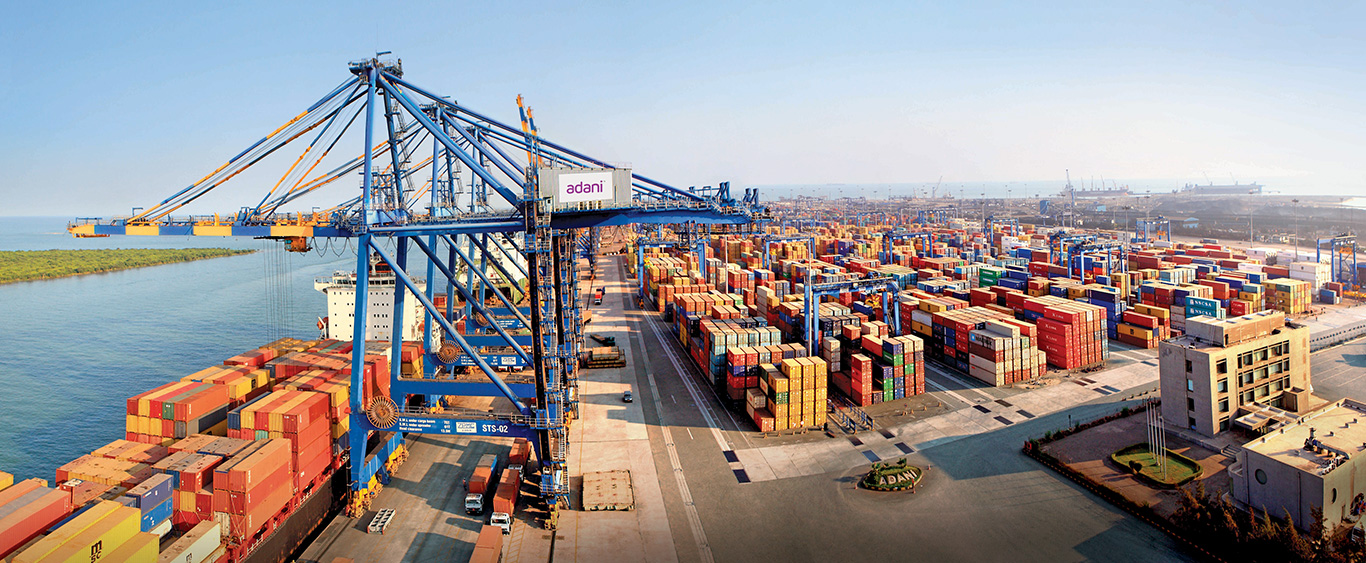
India encourages its private sector to pursue deals that offer commercial opportunities. Adani Group,Tata, Larsen and Toubro, the GMR group have all built up significant businesses abroad. It has also expanded power and infrastructure projects from Myanmar to Sri Lanka.
Earlier in the year, when inaugurating housing and solar power projects in Mauritius, Modi said Indian lending “is based on the needs and priorities of our partners and respects their sovereignty.”
Last updated: December 26th, 2025

