
Indian Prime Minister Narendra Modi and German Chancellor Friedrich Merz convened in Gandhinagar, Gujarat, to strengthen a partnership aimed at consolidating economic and security ties.
During his first official visit to Asia since taking office, German Chancellor Friedrich Merz emphasized that India is a “partner of choice” for Germany, signaling a push for much deeper bilateral ties.
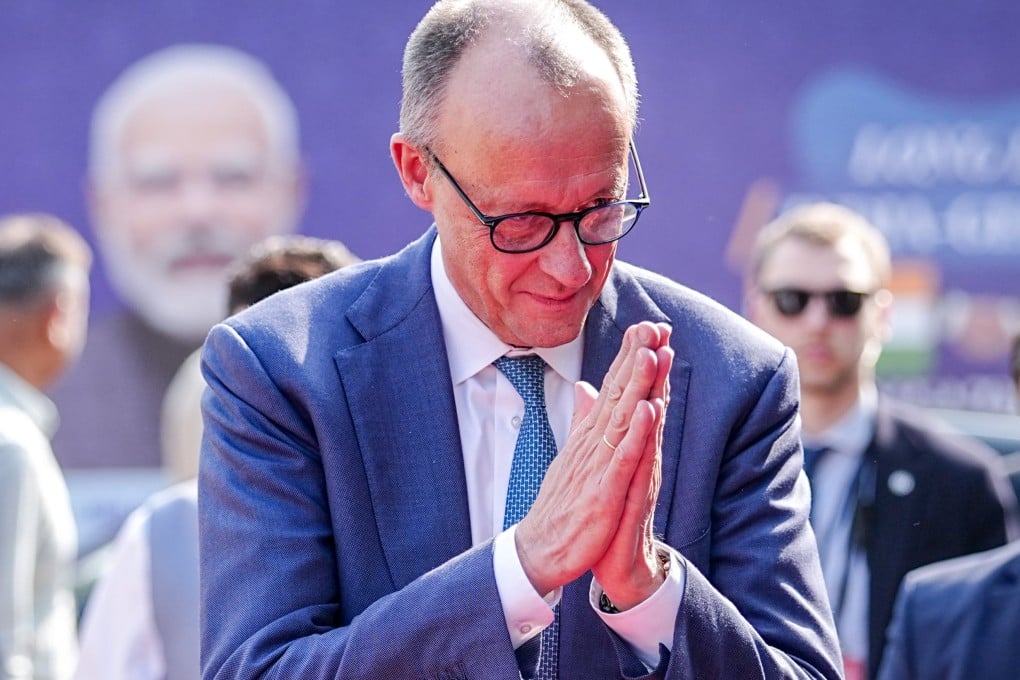
Here are the key takeaways from the meeting:
Free Trade Focus: Merz highlighted that concluding the India-EU Free Trade Agreement is essential to unlocking the full economic potential between the two nations.
Labor & Healthcare: A new agreement was signed to streamline the recruitment of Indian healthcare workers to move and work in Germany.
Strategic Timing: The visit serves as a precursor to an upcoming India-EU summit.
The discussions resulted in the signing of several comprehensive agreements spanning critical sectors, including defense, health, education, and skill development. A significant focus was placed on the “Green and Sustainable Development Partnership,” with new projects targeting climate action, renewable energy, and the critical mining of rare earth elements, which are essential for the global transition to green technology.
A notable shift in this meeting was the emphasis on defense cooperation, an area where Germany and India have historically maintained a modest relationship. The leaders established a formal roadmap for the joint development and production of military hardware. A centerpiece of this initiative is the expected partnership between Germany’s Thyssenkrupp and Indian firms to construct six advanced conventional submarines. This project is a vital component of New Delhi’s broader strategy to modernize its naval forces and enhance its maritime security in the Indo-Pacific region.
Chancellor Merz echoed these sentiments, noting the “tremendous economic potential” inherent in the Indo-German relationship. He emphasized that the collaboration is not merely about trade volume but about building a robust framework for security policy. By aligning their interests in high-tech manufacturing and defense, both nations are positioning themselves to better navigate the complexities of the current global political landscape.

