
In a first of its kind genomic analysis, published in Cell Press by an international team including researchers from UC Berkeley, AIIMS New Delhi, University of Southern California and the University of Michigan, offers the most comprehensive look yet into India’s genetic history.
Despite being one of the world’s most culturally and genetically diverse nations—with over 5,000 ethno-linguistic and religious groups — India has remained underrepresented in global genomic studies. This new research changes that, revealing a richly layered evolutionary story shaped by migration, admixture, and social structures.
Drawing on the full genomes of 2,762 individuals from diverse Indian communities, collected through the Longitudinal Aging Study in India–Diagnostic Assessment of Dementia (LASI-DAD), scientists reconstructed a 50,000-year genetic timeline. The analysis shows that most genetic variation in India stems from a “single migration out of Africa”, followed by interbreeding with Neanderthals and Denisovans and the subsequent spread of these groups across Eurasia — including into the Indian subcontinent.
India exhibits the highest variation in Neanderthal ancestry among non-African populations. This diversity allowed researchers to reconstruct about 50% of the Neanderthal and 20% of the Denisovan genome — a scientific first. These archaic genes, many of which influence immune response, remain present in modern Indian genomes, comparable in proportion to those found in Europeans.
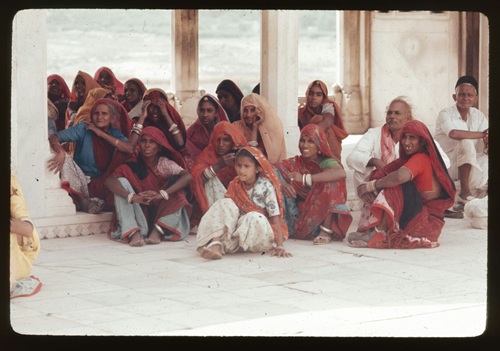
India’s genetic complexity further deepened about 10,000 years ago, when Iranian farmers and Central Asian herders migrated into the region and intermixed with local hunter-gatherers.
Around 5,000 years ago, the rise of endogamy — marriage within specific communities — led to strong genetic bottlenecks giving rise to high differentiation across groups. In fact, some Indian groups today are as genetically distinct from each other as Europeans are from East Asians.
These findings not only close a significant gap in global population genetics but also provide valuable insights into disease risk, aging, and health strategies tailored to India’s unique population structure. The study underscores the importance of inclusive, diverse genomic research and paves the way for precision health initiatives rooted in deep ancestry and demographic history.
Last updated: December 26th, 2025

