
The United States and India are deepening their partnership in technology, particularly in biotechnology and healthcare. This collaboration aims to accelerate research, development, and drug discovery through advanced technologies such as artificial intelligence (AI), nanotechnology, and bioinformatics.
Key Points of the Collaboration:
1. Historical Context: The two countries have a history of cooperation in disease control, surveillance, and public health capacities.
2. Focus Areas:
– Using AI for patient-treatment matching
– Applying nanotechnology for targeted drug delivery
– Improving bioinformatic tools for data analysis
3. Rapid Drug Discovery (RDD):
– Traditional drug discovery is time-consuming and expensive
– Collaborative initiatives aim to shorten timelines and lower costs
– The global drug-discovery market is projected to reach $133.11 billion by 2032
4. Research Partnerships:
– U.S. National Science Foundation (NSF) and Indian Department of Biotechnology (DBT) partnership
– U.S.-India Quantum Coordination Mechanism
– Initiative on Critical and Emerging Technology (iCET)
– Indo-U.S. Science and Technology Forum (IUSSTF)
5. Investments:
– NSF has invested nearly $150 million in over 200 projects in India in the past five years
– India has allocated $71.37 billion for a National Quantum Mission
6. India’s Pharmaceutical Sector:
– Recognized as the “pharmacy of the world” during the COVID-19 pandemic
– Expected to be valued at $130 billion by 2030
– Over 800 biotechnology companies in India
7. Technological Advancements:
– AI in streamlining drug discovery processes
– Nanotechnology for early disease detection
– Bioinformatics for analyzing biological data
8. Innovation Ecosystem:
– “Soft landing” for companies establishing facilities in India
– Corporate-startup partnerships
– Global Bio-India conference showcasing potential
9. Collaborative Examples:
– Takeda’s agreement with Biotechnology Industry Research Assistance Council (BIRAC)
– Miltenyi Biotec’s collaboration for cell and gene therapy research
10. Mutual Benefits:
– U.S. provides technological advancements and funding
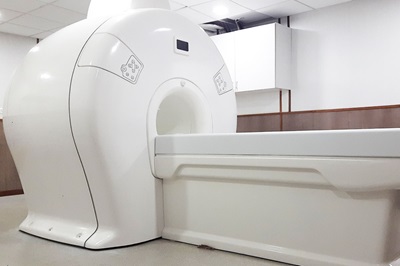
– India offers market opportunities and affordable solutions (e.g., *Voxelgrids’ affordable MRI scanner)
- A snippet on Voxelgrids :
In mid 2019, Bangalore, India-based Voxelgrids received a significant grant from the Biotechnology, Industry, Research , Academic Council (BIRAC) for the development of home-grown cryogenic magnet and MRI technologies. The company was previously awarded a grant by the United States-India Science & Technology Endowment Fund as well.
11. Future Outlook:
– Need for clear intellectual property protection frameworks
– Potential for global impact in healthcare accessibility
– Leveraging complementary strengths: U.S. financial power and India’s large market with rising innovation
This collaboration between the United States and India in biotechnology and healthcare has the potential to drive significant advancements in research, drug discovery, and healthcare accessibility on a global scale. By combining their respective strengths in technology, funding, market size, and innovation, these two nations are poised to make substantial contributions to solving pressing healthcare challenges worldwide.
Last updated: December 26th, 2025

