
Transcatheter aortic valve replacement (TAVR) has revolutionized the treatment of aortic stenosis, offering a minimally invasive alternative to open-heart surgery. Now an Indian company seems to have promising progress with their product.
Among the emerging technologies in this space is the Myval TAVR valve, developed by Meril Life Sciences, headquartered in Gujarat. While not yet approved in the United States, Myval has gained traction in India and Europe, with promising clinical data supporting its performance and durability. A recent analysis published in EuroIntervention sheds light on the valve’s long-term outcomes, offering valuable insights into its real-world efficacy.
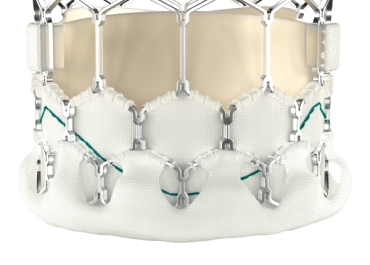
Myval TAVR Valve: Key Data Summary
| Aspect | Details |
|---|---|
| Device Name | Myval balloon-expandable TAVR valve |
| Manufacturer | Meril Life Sciences (India) |
| Regulatory Status | Approved in India and Europe; not FDA-approved in the U.S. |
| Comparative Trial | LANDMARK trial: 1-year outcomes comparable to Medtronic Evolut & Edwards Sapien 3 |
| Latest Analysis Focus | 4-year durability and long-term outcomes |
| Study Population | 366 patients across 9 facilities (Dec 2017–Apr 2020) |
| Follow-up Duration | 4 years (complete data available for all patients) |
| Endpoints Evaluated | VARC-3-defined endpoints |
| Key Findings | Acceptable durability; comparable to other leading TAVR platforms |
| Complication Risk | Low risk of reintervention |
| Clinical Implication | Potential to expand TAVR indications to younger patients |
| Author Disclosure | Authors had working relationships with Meril Life Sciences |
The four-year follow-up data for the Myval TAVR valve reinforces its viability as a durable and effective option for patients undergoing transcatheter aortic valve replacement. With performance comparable to established platforms and a low risk of complications, Myval could play a pivotal role in expanding TAVR access to younger, lower-risk populations. Continued research and extended follow-up will be essential to validate these findings and guide future clinical adoption
Last updated: December 26th, 2025

