
India’s push toward hydrogen-powered vehicles is a key solution for de-carbonizing its transport sector. As India aims for net-zero emissions by 2070, addressing transport emissions, which account for 8.4% of the country’s carbon footprint, is crucial.
Hydrogen fuel cell vehicles present several advantages over battery electric vehicles, particularly for heavy-duty transport. They offer extended driving ranges, quick refueling times of just minutes, and the ability to carry heavier payloads due to hydrogen’s high energy density. When produced using renewable energy, hydrogen provides a zero-emission fuel source that’s especially suitable for long-haul and heavy-duty vehicles such as trucks and buses, which have struggled to electrify due to range and payload limitations.
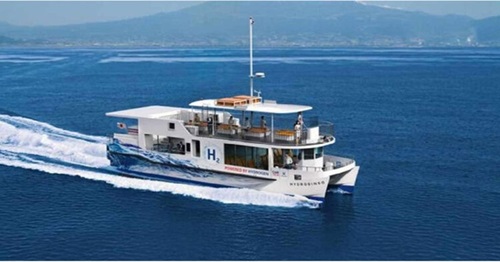
Kerala, a southwestern state in India, already leading India in electric vehicle adoption with 5.2% electric passenger vehicles and 13.5% electric two-wheelers, is expanding its green transport initiatives to include hydrogen-powered vehicles across multiple transport sectors. The state is also incorporating hydrogen-powered trucks into its freight sector and exploring hydrogen-powered boats through the Kochi Water Metro project.
To facilitate hydrogen adoption, Kerala has implemented comprehensive support measures aligned with India’s National Green Hydrogen Mission. These include:
– Subsidies for refueling stations
– Tax incentives for hydrogen production
– Support for the Kerala Green Hydrogen Valley initiative
– Private sector partnerships to expand the hydrogen-powered fleet
– Research development through the Center of Excellence for Green Hydrogen.
By partnering with the World Economic Forum, Kerala is not only advancing its hydrogen ambitions but also supporting global efforts to build sustainable mobility solutions.
The state’s approach combines policy support, infrastructure development, and research collaboration to overcome adoption barriers and establish a sustainable hydrogen-based transport ecosystem. By taking these steps, Kerala is setting an example for other Indian states in their transition to cleaner transportation alternatives while contributing to India’s broader decarbonization goals.
Last updated: December 26th, 2025

