India’s energy landscape is undergoing a shift, signaled not by a loud proclamation, but by the quiet filing of corporate documents.
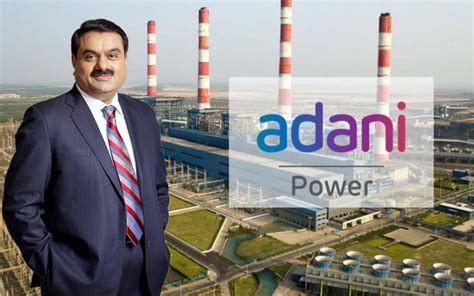
Adani Power based in Ahmedabad, Gujarat, has officially entered the nuclear sector, establishing Adani Atomic Energy Ltd (AAEL) as a wholly-owned subsidiary. AAEL’s primary business will consist of generating, transmitting, and distributing electric power derived from nuclear energy. This move represents a transition for a sector that has been a state-run monopoly for over seven decades. The company is actively advancing land aggregation, corporate structuring, and regulatory readiness to ensure rapid execution once government policy guidelines are finalized.
Strategic Architecture and Geography
The corporate structure Adani has adopted is deliberate. By creating AAEL as a central holding company and establishing project-level entities such as Rawatbhata-Raj Atomic Energy Ltd and Coastal-Maha Atomic Energy Ltd, the conglomerate is preparing for localized execution.
The Catalyst: The SHANTI Act
This private-sector expansion was made possible by the Sustainable Harnessing and Advancement of Nuclear Energy for Transforming India (SHANTI) Act of late 2025. This legislation dismantled the state monopoly, allowing private firms to participate in nuclear generation and, crucially, permitting up to 49% Foreign Direct Investment (FDI). The SHANTI Act granted formal statutory status to the Atomic Energy Regulatory Board (AERB), making it an independent watchdog similar to SEBI or RBI.
With India aiming to grow its nuclear capacity from 8.8 GW to 100 GW by 2047, the government has recognized that state utilities alone cannot bridge the gap. Adani Power’s goal to establish 30 GW of capacity aligns with this national roadmap.
A Competitive Ripple Effect
Adani is the first to move, but they are certainly not the last.
Tata Power is expected to leverage its international partnerships to form joint ventures with global reactor vendors.
Jindal Nuclear Power will likely focus on the specialized supply chain, utilizing its expertise in high-grade steel.
Reliance Industries remains a potential player, capable of financing integrated energy ecosystems.
Global Implications
The entry of private Indian firms creates a clear “counterparty” for international giants such as Westinghouse, GE Hitachi, and EDF. For global developers seeking a piece of India’s projected $214 billion nuclear market, the challenge is no longer navigating government bureaucracy alone, but finding the right private partner.
The Road Ahead
The period between 2027 and 2030 will likely focus on technology transfers and supply chain development. By the end of the decade, we expect we might see the first concrete construction commitments from these private entities.