
India is set to revamp its electric vehicle incentive policy, expanding opportunities for automakers to invest in electric vehicle production. The new approach, expected to be finalized by March 2025, represents a significant shift in the country’s strategy to promote EV manufacturing.
Previously, the policy primarily incentivized automakers to build entirely new manufacturing facilities. The updated policy will now allow companies to develop EV production lines at existing factories, potentially attracting more foreign manufacturers such as Toyota and Hyundai. However, there are specific conditions: electric models must be produced on a separate production line and meet local sourcing requirements.
For new factories, investments in machinery and tools for EV production will be fully counted towards the $500 million investment threshold, even if the equipment is used for manufacturing other vehicle types. To ensure fairness, the government plans to establish a minimum EV revenue target that manufacturers must meet to qualify for the incentive scheme.
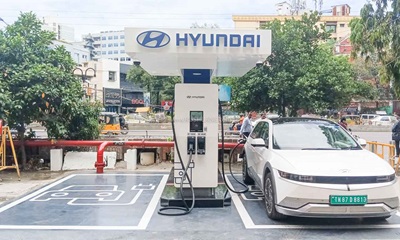
During discussions with the government, automakers raised several questions and concerns. Toyota inquired about the possibility of investing in a separate assembly line within a multi-powertrain plant and whether charging station infrastructure would count toward the investment requirement. Hyundai was interested in understanding the investment criteria, specifically whether research and development expenses could be included.
Volkswagen’s India unit sought more flexibility in the investment timeline, proposing that 75% of the $500 million could be invested in the first three years of the five-year scheme, instead of the current 100% requirement. The company also asked about potentially qualifying investments made by suppliers.
The proposed policy changes reflect India’s aggressive push to boost domestic EV manufacturing. By offering more flexible incentives, the government hopes to accelerate the country’s transition to electric mobility and attract significant investments from both domestic and international automakers.
Currently, automakers such as Hyundai are awaiting the final policy guidelines, with many studying the details carefully. The new approach signals India’s commitment to becoming a more attractive destination for electric vehicle production, potentially transforming the country’s automotive landscape in the coming years.
Last updated: December 26th, 2025

