
India made headlines in the cardiovascular business with the commercial approval of the Tria mitral valve, developed by Utah-based Foldax. This marks the world’s first regulatory clearance for a polymer-based heart valve.
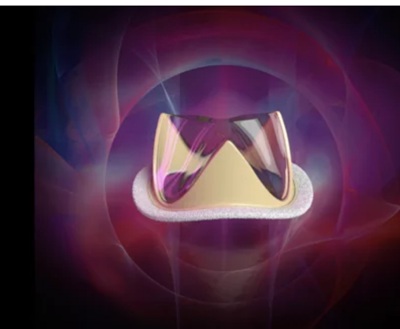
The Tria valve is crafted from LifePolymer, a proprietary, animal-free material. Its frame and leaflets are tailored using robots to match each patient’s native mitral valve anatomy.
- India’s Clinical Leadership:
- A study of 67 patients in India showcased the valve’s strong performance.
- Patients had a mean age of 42, with 64% women and a majority diagnosed with rheumatic heart disease, a condition more prevalent in developing nations.
- The technical success rate was 100%, and no deaths were linked to the valve.
- One-year outcomes included:
- All-cause mortality: 9.1%
- Thromboembolic events: 7.5%
- Stroke: 4.9%
- Structural valve deterioration: 0%
- Valve reintervention: 0%
- Patients also showed notable improvements in quality-of-life scores (Kansas City Cardiomyopathy Questionnaire).
- Dr. Isaac George from Columbia University, said, “It is exciting to see the positive clinical outcomes associated with this novel polymer valve.”
- Foldax CEO Ken Charhut emphasized the company’s commitment to global innovation, with India playing a crucial role in validating the technology. The Tria valve is not yet approved by the U.S. FDA
India’s early adoption and clinical validation of the Tria polymer mitral valve is noteworthy.
Last updated: December 26th, 2025

