
The global nutraceutical industry is undergoing a significant transformation, with U.S. and European brands increasingly looking beyond traditional sourcing hubs such as China.
Geopolitical shifts, pandemic-related vulnerabilities, and a heightened demand for quality, traceability, and sustainability have propelled India into the spotlight as a strategic and reliable destination for natural ingredients and nutraceuticals.
Historically, China dominated the supply chain due to cost and scale, but mounting trade tensions and quality concerns have spurred a diversification of sourcing.
India, leveraging its strong scientific talent, robust manufacturing infrastructure, and evolving regulatory landscape, has emerged as a compelling alternative. This shift emphasizes that supplier selection is no longer solely driven by price, but by reliability, differentiation, and quality.
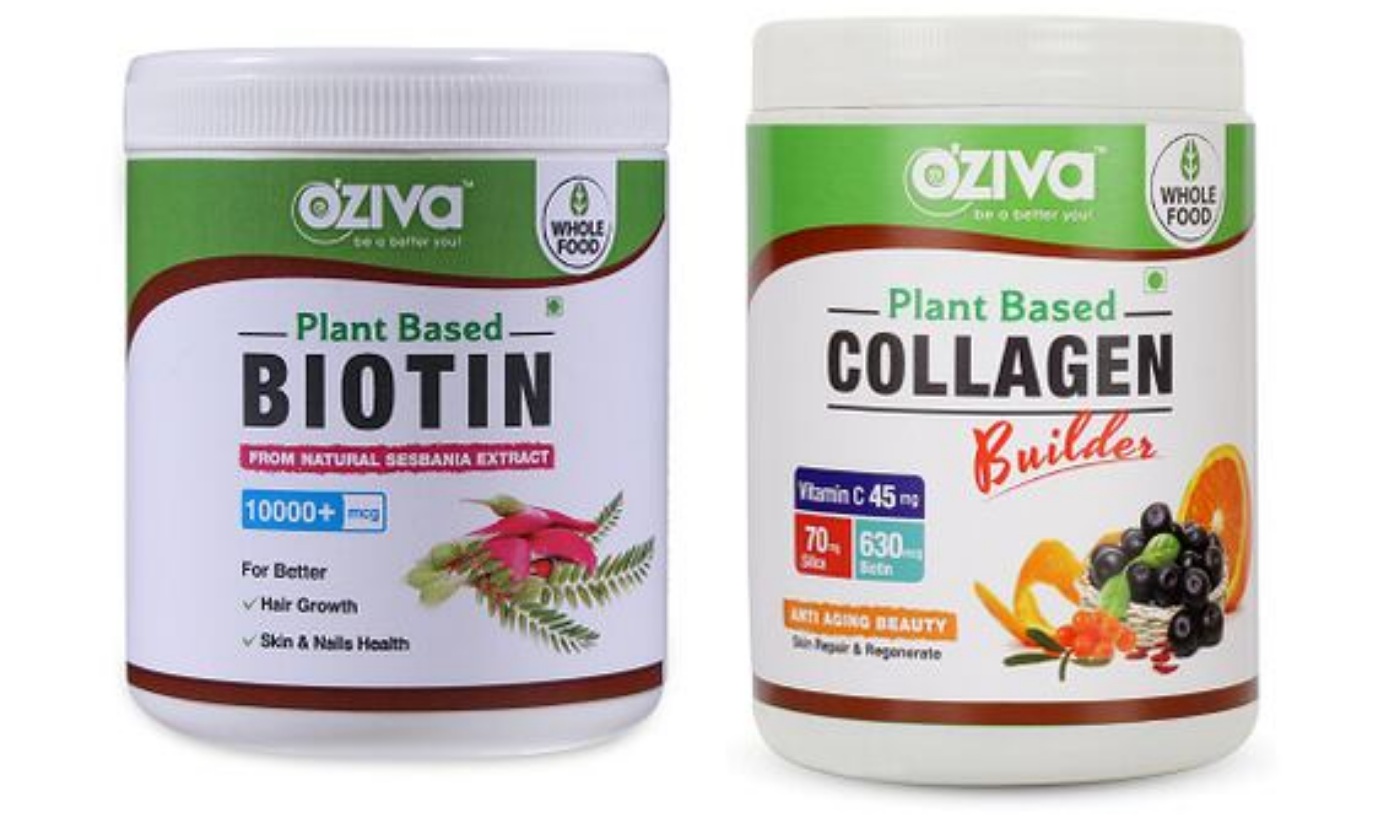
India offers a unique value proposition by blending its rich Ayurvedic heritage with modern pharmaceutical science. Companies such as Nutriventia are applying advanced principles such as sustained release and bioavailability enhancement to traditional Ayurvedic herbs such as turmeric and ashwagandha, creating innovative, clinically validated products. This approach resonates with the growing demand for plant-based, holistic wellness solutions, particularly among U.S. consumers.
The Indian nutraceutical market is experiencing rapid growth, projected to exceed $18 billion by 2025. This expansion is fueled by increasing health consciousness, a rise in lifestyle-related illnesses, and government support.
Notably, Indian firms are now exporting not just raw materials, but intellectual property in the form of proprietary ingredients, clinical data, and differentiated delivery systems, as evidenced by their participation in global trade shows and published research.
For U.S. brands considering partnerships in India, it’s crucial to assess potential partners’ regulatory readiness, operational maturity, and scientific credibility. Key evaluation criteria include certifications (U.S. FDA, NSF, ISO, FSSAI), transparent documentation, strong scientific backing from clinical studies, peer-reviewed publications, and a commitment to innovation and intellectual property.
Indian suppliers are increasingly demonstrating high-quality systems, predictable lead times, and a focus on innovation to become first movers in clean label and multifunctional formats, offering a significant opportunity for global collaboration.
Last updated: December 26th, 2025

