At the India-AI Summit, conversations about the future of intelligence were intertwined with the nation’s commitment to sustainability. A new collaboration was announced between Google and the Office of the Principal Scientific Advisor (PSA) to the Government of India.
Launching the Google Center for Climate Technology
The centerpiece of this partnership is the Google Center for Climate Technology, established on Manthan, the PSA’s platform for supporting India’s research and development ecosystem. Designed as a national hub, the Center aims to accelerate decarbonization and foster deep-tech innovation by offering access to sustainability-focused AI models, APIs, and talent pipelines.
Driving Research in Frontier Areas
The Center will serve as a catalyst for scalable R&D and cross-sector collaboration. To begin, proposals are being invited from innovators and researchers across three critical domains where AI can make a transformative impact:
- Green workforce: Equipping India’s next generation with technical skills essential for the climate-tech transition.
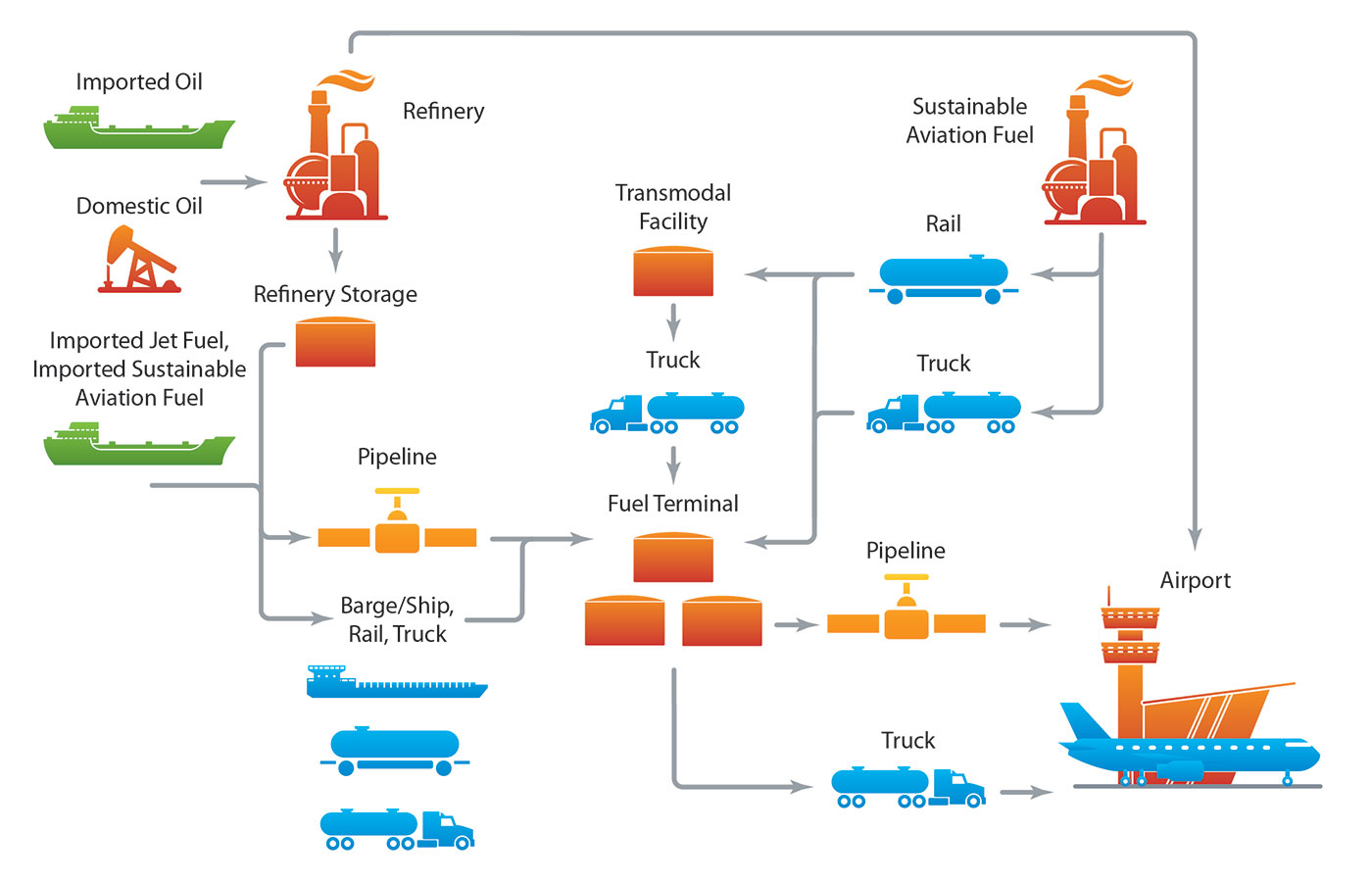
- Sustainable aviation fuel: Advancing research into sourcing and deploying SAF to decarbonize aviation, one of the most complex transport sectors.
- Low-carbon construction: Supporting evaluation and promotion of materials that reduce the carbon footprint of India’s rapid urbanization.
Selected applicants will receive support to develop AI-powered, data-driven solutions addressing environmental challenges both locally and globally.
Sustainability as the Foundation for AI
This initiative builds on Google’s broader sustainability investments in India. Through the AI Hub and partnerships that add 336 MW of clean energy to the national grid, the company is helping align India’s AI ambitions with clean energy goals. Additionally, foundational agricultural models are strengthening resilience in the face of climate change, supporting farmers and local ecosystems.