
The in-person meeting between Canadian Prime Minister Mark Carney and Indian Prime Minister Narendra Modi at the recent G7 Summit marked a change in the strained relationship between the two nations. This diplomatic engagement, initiated by Prime Minister Carney, was noteworthy given the severe allegations and political tensions that have plagued Indo-Canadian ties over the past two years.
The deep freeze in relations began in June 2023 following the murder of Hardeep Singh Nijjar, a Sikh separatist leader and Canadian national. The crisis escalated when then-Prime Minister Justin Trudeau publicly accused the Indian government of involvement in the assassination, an accusation vehemently denied by India. This led to a series of retaliatory diplomatic expulsions and a halt in trade negotiations, effectively undoing years of progress.
With the recent Canadian election, there was hope for a reset. Cautious outreach efforts have been underway, including a constructive dialogue between Canada’s Foreign Affairs Minister, Anita Indira Anand, and India’s External Affairs Minister, S. Jaishankar. Prime Minister Carney’s invitation to Modi, however, went beyond mere bilateral reconciliation. Other G7 members also advocated for India’s inclusion, recognizing its growing economic and strategic importance as the world’s fifth-largest economy and a key player in global supply chains. Carney himself emphasized India’s “essential” presence at the summit.
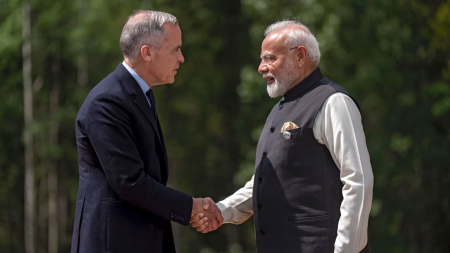
The potential gains from strengthened Indo-Canadian relations are substantial for both countries. India is currently Canada’s tenth-largest trading partner, and both nations seek economic diversification. For Canada, a revitalized relationship with India offers a crucial hedge against uncertainties in its relationship with the United States. Beyond economics, the large Indo-Canadian community, comprising nearly five percent of Canada’s population, underscores the importance of normalizing relations for social cohesion and addressing the legitimate concerns of a significant segment of its citizenry.
The immediate next steps towards normalization involve the appointment of High Commissioners to each other’s capitals, a crucial move to restore formal diplomatic channels. While the path to full reconciliation remains uncertain, the dialog initiated last month signifies a commitment to progress.
Last updated: December 26th, 2025

