
India’s top nuclear energy official is in Washington DC this week for a visit that combines multilateral nuclear energy diplomacy with a bilateral meeting at the top of the U.S. energy establishment.
Dr. Ajit Kumar Mohanty is Secretary of India’s Department of Atomic Energy and Chairman of the Atomic Energy Commission. His reason for being in Washington is the launch of a new International Atomic Energy Agency initiative called ATLAS — Atomic Technologies Licensed for Applications at Sea. The initiative is meant to build the international framework that civilian nuclear applications at sea will need, including nuclear-powered commercial ships and floating nuclear power plants.
The launch is a two-day ministerial forum hosted by the United States with keynotes IAEA Director General Rafael Mariano Grossi and U.S. Energy Secretary Chris Wright.
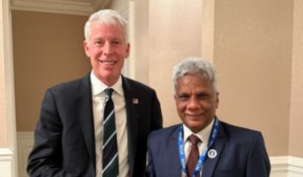
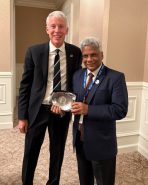
Mohanty Meets Secretary Wright
Ahead of the launch, Mohanty met Secretary Wright. All India Radio reports say the two discussed developments in the bilateral civil nuclear relationship and ways to strengthen India–U.S. cooperation in the sector. The timing gives the meeting weight. In December 2025 India’s Parliament passed the Sustainable Harnessing and Advancement of Nuclear Energy for Transforming India Act — the SHANTI Act — which repealed the Atomic Energy Act of 1962 and the Civil Liability for Nuclear Damage Act of 2010 and opened the sector to private and foreign participation for the first time since independence. The government’s stated goal is 100 GW of nuclear capacity by 2047, up from roughly 8.8 GW today, under the Nuclear Energy Mission.
The discussions focused on the ongoing developments in bilateral civil nuclear space and policy measures to further strengthen India-U.S #CivilNuclearCooperation for mutual benefit of both the sides according to a post on X by India’s Department of Atomic Energy.
American nuclear companies have been working the resulting opening. A U.S. executive nuclear mission visited India in May, and industry is preparing a coordinated submission to DAE on the draft rules under the SHANTI Act. Earlier this month, U.S. Ambassador Sergio Gor spoke with Mohanty ahead of this trip.
Background
On 27 August, invited heads of delegation travel to Baltimore to tour the NS Savannah, the world’s first nuclear-powered merchant ship. Her reactor reached initial criticality in December 1961 and the plant operated from 1962 until 1970 — an apt setting for a conversation about the next generation of civilian nuclear vessels. Publicly available information does not establish whether Mohanty attended the 25 August Industry Day, and DAE has not published an itinerary for the visit. No source identifies individual American companies he may have met. This does not surprise me, with the DAE awaiting comments on the draft rules, the DAE would want to hear all parties equally once all suggestions have been received, reviewed and categorized by staff.
What the visit does show is that India is in the room as governments and industry begin working through a new application for advanced nuclear technology, and that the broader U.S.–India civil nuclear relationship remains a live subject of engagement at senior levels of both governments.

