
Unilever, the consumer goods company based in London, will invest an additional $39 million to upgrade its research and development hubs in India. Unilever said the money will turn its centers in Mumbai, in western India, and Bengaluru, in southern India, into sites that use artificial intelligence to speed up product work, and will fund a new partnership focused on biology.
The spending builds on more than $22 million that Unilever has put into the hubs over the past five years, which paid for labs, platforms and digital modeling tools. A separate $5.6 million over five years will fund the Bio-Futures Partnership, which will work on human biology, microbiome science, biotechnology and biomanufacturing. According to media reports, the India hubs employ more than eight hundred scientists, researchers, digital specialists and designers.
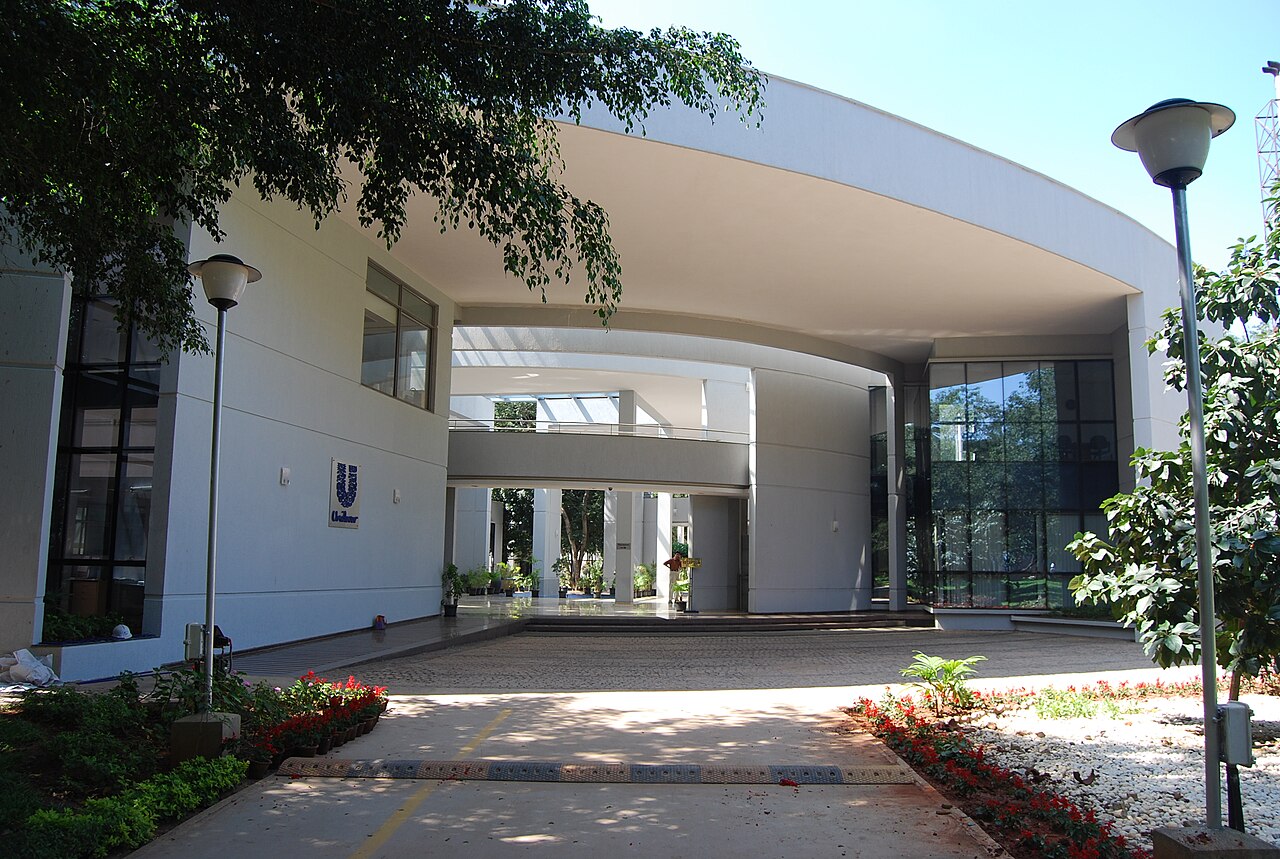
The two sites will take on different jobs. Mumbai becomes a Product Innovation Center that combines consumer insights, product and packaging science, rapid prototyping and scale-up, with space for university, technology and innovation partners to work alongside company scientists. Bengaluru stays a global science, technology and partnership hub that combines applied and foundational science, digital skills and research for the company’s India foods business.
Scientists at both sites will use artificial intelligence, automated experiments, predictive modeling and digital twins to test ideas on screen before they build physical prototypes. Unilever pointed to two products made with that approach: Surf Excel Matic Express, a detergent built for short, cold wash cycles that run in fifteen minutes rather than the two or three hours of longer cycles, and Dove Hair Care’s Peptide Bond Strength Technology.
The company already runs several specialized facilities in India, among them the Liquids Lab of the Future, the Unilever Fragrance House in Mumbai, an advanced manufacturing center for soap bars, and a packaging and flexibles design lab.
Richard Slater, Unilever’s chief research and development officer, said, “The biggest shift is that this is a far more connected way of innovating.” Priya Nair, managing director and chief executive of Hindustan Unilever, which also published the announcement, said India’s emergence as a global innovation hub presents an extraordinary opportunity.
For global companies weighing where to place research work, the plan shows a consumer goods maker that sells in 190 countries treating India as a place to do science as well as to sell products.


