
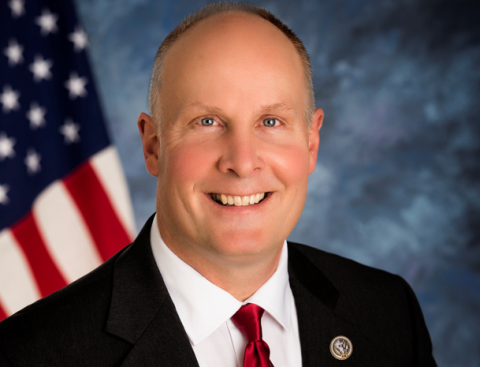
U.S. Representatives John Moolenaar (R-MI) and Debbie Dingell (D-MI) have introduced the Biotech Investment National Security Act (BINSA). The bipartisan bill aims to prevent U.S. capital, intellectual property, and expertise from inadvertently strengthening China’s biotechnology sector, which lawmakers argue threatens American economic and national security.
By amending the Comprehensive Outbound Investment National Security (COINS) Act, the legislation proposes that American investments in foreign adversary biotech sectors undergo rigorous federal review, similar to the oversight currently applied to the tech sector. Note that this proposed Act still has to be discussed and approved in the House and the Senate and signed by President before it becomes law.
Key Provisions of the Bill
The legislation introduces strict oversight mechanisms for U.S.–China biotech transactions:
Expands Investment Screening: Amends the COINS Act to include biotechnology — specifically pharmaceutical development, biologics manufacturing, and clinical R&D —under outbound investment review.
Targets High-Value Deals: Subject U.S. pharmaceutical licensing deals, joint ventures, and equity investments with covered Chinese entities to Department of the Treasury review. This explicitly includes transactions involving technology and intellectual property transfers.
Exemptions: The bill explicitly excludes agricultural biotechnology, industrial fermentation, and basic academic research from these restrictions.
Agency Deadlines:
Directs the Treasury Department to issue implementing regulations within one year.
Requires the Secretary of Defense to assess the impact of U.S. capital flows into Chinese biotech on national security and military readiness within 60 days.
Context and Background
U.S. lawmakers are increasingly concerned by the rapid rise of China’s pharmaceutical industry, which is heavily fueled by American capital.
The Scale of Investment: Cross-border licensing transactions between the U.S. and China skyrocketed from under $5 billion in 2020 to approximately $136 billion in 2025. Major U.S. pharmaceutical companies, such as Bristol Myers Squibb and Pfizer, have engaged in multi-billion-dollar co-development deals that transfer proprietary drug discovery platforms and manufacturing know-how to Chinese entities.
The two lawmakers argue that without intervention, this trend risks:
Offshoring the U.S. biotech industry and hollowing out domestic research infrastructure.
Creating a dangerous dependency on foreign competitors for critical pharmaceutical ingredients and medical supply chains.
Exposing sensitive intellectual property to military exploitation via Chinese military hospitals.
Ethical Concerns and Regulatory Alignment
The bill also addresses ethical violations in China’s clinical trial system, which has been flagged for forced medical testing on Uyghurs in Xinjiang and a lack of informed consent. BINSA builds upon previous legislative efforts, including the BIOSECURE Act, to stop the U.S. Food and Drug Administration (FDA) from accepting data from uninspected Chinese clinical trial sites for U.S. drug applications.

