
India is undergoing a major energy transition as it balances rapid economic growth with climate commitments. The country, home to 1.4 billion people, is expanding renewable capacity at a fast pace, with solar power growing from 4 gigawatts to 140 gigawatts in the past decade. The government aims to reach 500 gigawatts of non-fossil capacity by 2030, supported by investments in energy storage and green hydrogen.
Electricity demand is rising quickly, driven by industry, air conditioning, electric vehicles, and data centers. Consumption has grown from 5% annually over the last decade to 9% today, making India one of the largest electricity consumers globally. To maintain grid stability, coal and gas capacity has also expanded, increasing from 81 gigawatts to 250 gigawatts over ten years. Officials expect coal use to peak within five years before declining.
India has set a net-zero target for 2070, though some industry leaders, such as Dr. Faruk Patel of the KP Group, that specializes in diverse renewable energy and infrastructure projects, advocate for achieving it closer to 2050.
Reaching this goal requires significant investment. The International Energy Agency estimates India must spend $160 billion annually through 2030 on clean power and infrastructure. Financing will depend on mobilizing domestic resources and attracting larger amounts of foreign capital. Tata Power, for example, plans to invest $17.2 billion by 2030, with 60% directed toward renewables.
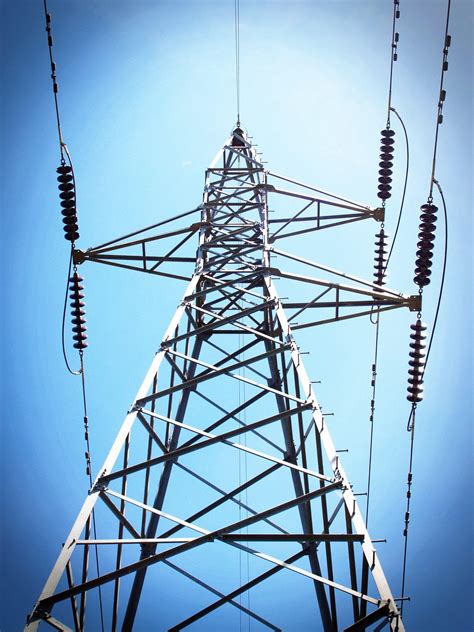
Challenges remain: Transmission bottlenecks, weak local utility finances, land disputes, and equipment shortages limit renewable deployment. Although renewables account for half of installed capacity, they supply only a quarter of actual electricity due to grid constraints. Addressing these issues will require $25 – $50 billion annually for grid upgrades, including high-voltage lines, smart meters, and expanded storage capacity. Government incentives and foreign investment are helping, with $3.4 billion in federal direct investment expected in 2025.
India’s energy strategy reflects both ambition and pragmatism. It continues to purchase discounted oil from Russia and expand coal capacity, while simultaneously investing in solar, storage, and hydrogen. The transition is gradual but decisive, with renewables expected to surpass fossil fuels by mid-century if financing, infrastructure, and policy discipline align.
Dr. Patel says, ” India has begun investing in battery storage so as to have room to grow. But we must also infuse coal so that we can properly use our grid connections and grid pipeline.”
As the world’s third-largest emitter of CO2 and fastest-growing electricity market, India’s ability to manage this shift will be central to global climate outcomes.

