
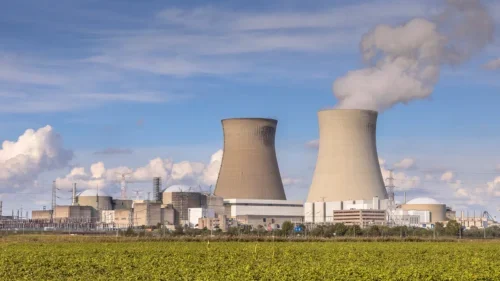
India is initiating sweeping reforms in its nuclear energy sector to dismantle a long-standing state monopoly and ease liability rules, aiming to attract private and foreign participation. The country has set an ambitious target of reaching 100 GW of nuclear capacity by 2047, a significant leap from its current 8.88 GW.
Key recommendations from a Ministry of Power panel include:
- Accelerating project timelines: Reduce the 11–12 year average from site approval to reactor commissioning through faster land acquisition and regulatory clearances.
- Site optimization: Prioritize existing nuclear sites and repurpose retired thermal plant locations for new reactors.
- Fuel strategy: Expand domestic uranium mining, acquire foreign mines, allow private firms into fuel sourcing and fabrication, and stockpile fuel for reactors with lifespans up to 60 years.
- Spent fuel reprocessing: Endorsed, but to remain under government control.
- Technology upgrade: Continue using home-grown reactor designs while incorporating advanced foreign technologies.
- Insurance reform: Revamp the nuclear insurance pool to offer $169 million coverage per incident per operator, replacing the current annual liability cap across all installations.
These measures aim to position India as a major global player in nuclear energy while ensuring energy security and sustainability.
Last updated: December 26th, 2025

