
The United States and India are deepening their partnership in technology, particularly in biotechnology and healthcare. This collaboration builds on a history of cooperation in areas such as disease control and public health capacities. Recent joint efforts focus on using artificial intelligence (AI) for patient treatment matching, nanotechnology for targeted drug delivery, and improved bioinformatics tools for data analysis.
A key area of focus is rapid drug discovery (RDD). Traditional drug development is time-consuming and expensive, often taking years and costing billions. The U.S.-India partnership aims to accelerate this process through collaborative initiatives and advanced technologies. The global drug discovery market is projected to grow significantly, reaching $133.11 billion by 2032.
To facilitate cooperation, the U.S. National Science Foundation (NSF) and India’s Department of Biotechnology have formed a research partnership. This collaboration extends to areas such as AI, quantum technologies, and advanced wireless capabilities. Initiatives such as the U.S.-India Quantum Coordination Mechanism and the Critical and Emerging Technology (iCET) program are driving innovation in these fields.
India’s pharmaceutical sector has gained global recognition, particularly during the COVID-19 pandemic, earning it the title “pharmacy of the world.” The country is investing in improved infrastructure and embracing digital tools such as AI to enhance its capabilities. By 2030, India’s pharmaceutical industry is expected to be valued at $130 billion.
AI plays a crucial role in streamlining drug discovery and development processes. It is utilized in fields such as nanotechnology for early disease detection and bioinformatics for analyzing biological data. The U.S.-India collaboration is committed to advancing these transformative technologies.
India’s bioeconomy is growing rapidly, with over 800 biotechnology companies and a projected value of $300 billion by 2030. This growth presents opportunities for U.S. pharmaceutical companies to access talent and rapid R&D in India. Start-ups are expected to drive much of this innovation in drug discovery and delivery.
The partnership is fostering an innovative ecosystem that provides support for industry players, investors, and other stakeholders. This includes “soft landing” opportunities for companies establishing research and biomanufacturing facilities in India, as well as corporate-start-up partnerships to apply global best practices.
International collaborations are also expanding, as evidenced by agreements between Indian organizations and companies such as Japan’s Takeda and Germany’s Miltenyi Biotec. These partnerships aim to enhance research capabilities, establish centers of excellence, and accelerate the development of patient-focused therapies.
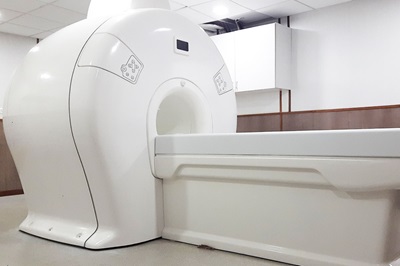
The U.S.-India collaboration offers mutual benefits: India gains from US technological advancements, while the U.S. can access more affordable market opportunities. An example of innovation emerging from this ecosystem is the development of an affordable MRI scanner by Indian company Voxelgrid, which could significantly increase healthcare accessibility globally.
To fully realize the potential of this partnership, clear and balanced frameworks for intellectual property protection must be implemented. The collaboration between the U.S. and India in biotechnology, healthcare, and biomanufacturing is still in its early stages but has immense potential for global impact.
By leveraging each other’s strengths – the U.S. as a financial powerhouse for innovation funding, and India as a substantial market with a rising innovation index – they can work together to solve pressing healthcare problems worldwide.
Last updated: December 26th, 2025

