
India’s state-owned Nuclear Power Corporation (NPCIL) will soon connect a second homemade 700MW Pressurized Heavy Water Reactor (PHWR) at the Kakrapar Atomic Power Station in Gujarat, to the grid. This follows the Power Station’s first 700 MW reactor going online in July 2022 and generating over 3,100 million units of electricity so far, operating at 88% capacity.
PHWRs use uranium mined in the country as fuel, and heavy water is used both as a coolant and moderator. Their ‘pressurized’ design involves having the heavy water under high pressure to avoid boiling, improving efficiency.
The two reactors represent a $300 million investment and will provide electricity to the states of Gujarat, Maharashtra, Madhya Pradesh, Goa and the Union Territories of Dadra, Nagar Haveli and Daman and Diu.
They are part of NPCIL’s 16 homemade heavy water reactor program. Two more 700MW reactors are coming up at the Rajasthan Atomic Power Station, in addition to existing smaller capacity reactors there.
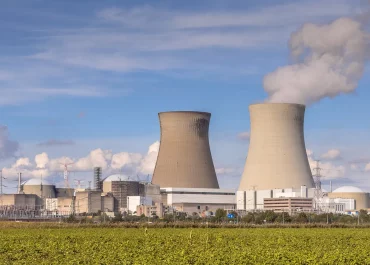
Currently, NPCIL operates 7,480MW capacity from 23 reactors. Another 6,800MW is under construction from 8 units, to be completed by 2032. Additionally, NPCIL is planning to add 10 more reactors totaling 7,000MW .
The plan includes two 700MW heavy water reactors at Gorakhpur, Haryana and four 1,000MW light water reactors at Kudankulam.
Light water reactors differ by using regular water as coolant and moderator. While India’s existing fleet of PHWRs demonstrates its mastery of the nuclear fuel cycle, light water reactors have become the global standard. India’s continued expansion of nuclear energy will leverage both technologies, boosting its energy security and supporting climate change mitigation by displacing fossil fuel generation. Self-reliance is a priority but international cooperation remains important, especially for light water reactors.
Safety is paramount, with India maintaining a perfect track record over decades of operation. Overall, India’s nuclear energy goals are ambitious yet strategically vital. The NPCIL’s upcoming milestones underscore the steady progress being made.
Last updated: December 26th, 2025

