
Applied Materials, the semiconductor equipment maker in Santa Clara, California, wants its India team to take ownership of some of its global product lines, Fortune India reported on October 20. The company supplies the equipment, services and software that chipmakers use to manufacture semiconductors.
The company plans to give its India teams ownership of product lines that they develop and deploy for global customers. Avi Avula, president of Applied Materials India, described the current role this way. “We have become really indispensable for the company, because almost every function, we have a team here supporting it,” he said. “Where we are taking this now is can we take ownership for certain product lines from here to end to end.”
A base to build on
The India operation already has scale. Applied Materials employs more than 7,000 people there, more than four times as many as a decade ago. According to company data, its India employees have received more than 750 U.S. patents over the past ten years. In 2024 the company established India’s first 300-millimeter research and development lab, and a second phase of expansion is under way.
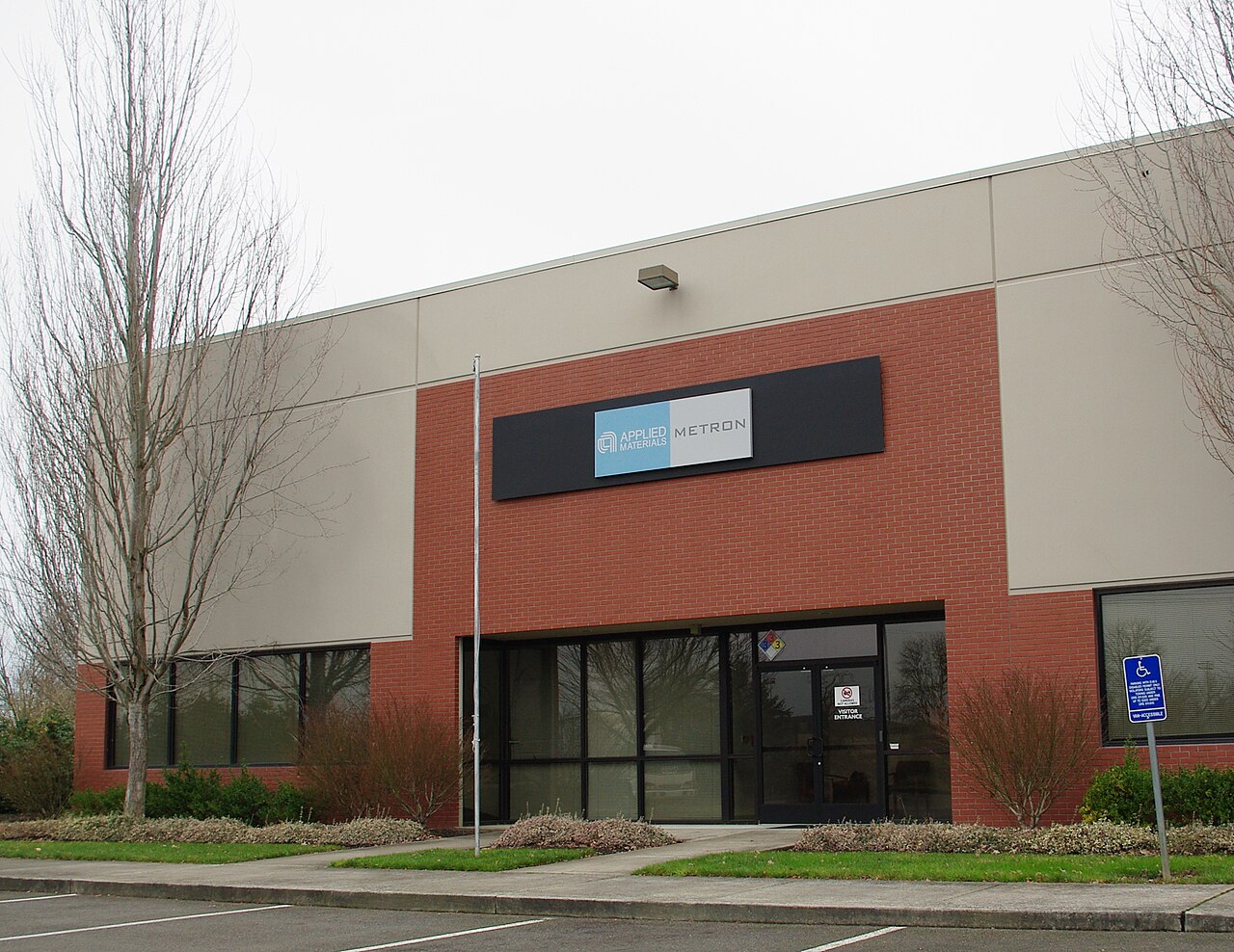
The company has also proposed a 140-acre Advanced Semiconductor Research Park in Bengaluru, in southern India. The proposed park brings together cleanrooms, equipment engineering and joint research with customers and suppliers at one site. Avula said the goal is for India’s role to move from supporting the company’s global operations to taking responsibility for specific products, so that headquarters can trust the India team “to take it all.”
Suppliers and talent
The second piece of the plan is a local supply base. According to the report, Applied Materials works with fifty production and research suppliers in India. According to company data, those suppliers drove an eightfold year-over-year increase in spending to the company’s global factories in 2026. The company wants to grow its India-based supply chain capacity tenfold by 2035 and to work with more than 100 suppliers.
Avula said building that base matters more than assembling complete machines in India from imported components. If the company imported everything, he asked, “what value am I adding?” The plan is to build capability in steps, from components to complex modules, subsystems and full systems, and to connect what India builds to the company’s global factories and customers.
Talent is the next constraint. Applied Materials has more than fifty university partnerships and has sponsored more than 150 research and development projects at schools including the Indian Institutes of Technology and the Indian Institute of Science. Avula said the challenge is less the supply of young engineers than giving graduates a place to work on advanced equipment: “The young talent coming out of the universities are the best in the world. But they need a place to work to learn hands on.” The company plans to more than double its India research and development workforce by 2035.
Part of a larger commitment
The ownership push sits inside a broader plan. Analytics India Magazine reported in September that Applied Materials will invest $5 billion in India over the next decade under its India Vision 2035 program. The company plans to add operations in Chennai, in southern India, and Mumbai, in western India, and has proposed a customer-support center in Gujarat, in western India.
Avula framed the timing as a limited window. “Many countries took decades to build this industry. In my view, we have 10 years,” he said.
Why it matters
For American companies weighing India, the signal is where the work sits. A U.S. equipment maker wants to move from using India for support functions to handing its teams whole products. The supplier targets also describe a chip equipment supply chain the company wants to build in India, with more than 100 suppliers by 2035.


