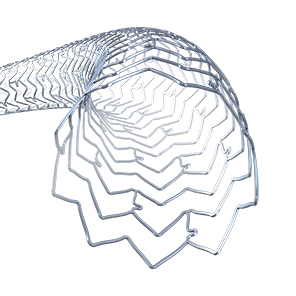
When it comes to treating complex heart blockages, technology can make the difference between a routine procedure and a life-saving breakthrough. India faces a unique cardiovascular challenge: patients often develop severe blockages earlier in life due to rising rates of hypertension, diabetes, and cholesterol. Abbottt says its XIENCE Skypoint stent was engineered with these realities in mind, offering cardiologists a tool that adapts to the complexity of each case while delivering consistent results.
Engineering for Flexibility
Traditional stents often face limitations when navigating arteries that are narrow, twisted, or located deep within the heart. XIENCE Skypoint was designed to overcome these barriers. Its architecture allows for:
- Enhanced flexibility: The stent bends and adapts to the natural curves of arteries, reducing resistance during placement.
- Improved trackability: Physicians can guide the device more smoothly through complex pathways, minimizing procedural complications.
- Optimized radial strength: Despite its flexibility, the stent maintains the strength needed to keep arteries open and blood flowing.
Beyond its physical design, XIENCE Skypoint incorporates drug-eluting technology. This means the stent slowly releases medication that helps prevent restenosis — the re-narrowing of arteries after treatment. For patients, this reduces the risk of repeat procedures and improves long-term outcomes. XIENCE Skypoint is suitable for larger vessels, which are often more difficult to treat – the stent expands the range of cases doctors can address, giving them confidence in treating patients with diverse and complex blockages.
Abbott’s Commitment to Innovation
Abbott India Limited operates a manufacturing facility in Goa, India and collaborates with independent manufacturers across the country. This infrastructure supports physicians to advance heart care through technology-driven solutions.