Tesla’s five-year pursuit of manufacturing in India has ended. On May 19, 2026, India’s Minister of Heavy Industries, H.D. Kumaraswamy, confirmed that the automaker will not proceed with a local factory.
The exit follows a prolonged deadlock over import tariffs. Tesla wanted lower duties to test the market with imported vehicles before building a factory, while India demanded a local manufacturing commitment first. Even after India introduced a policy slashing EV import duties from 110% to 15% for companies investing at least $500 million locally within three years, Tesla declined.
Signs of friction emerged in April 2024 when Elon Musk canceled a meeting with Prime Minister Narendra Modi, and communication ceased by July 2024. Beyond the tariff standoff, the decision was driven by broader strategic and economic factors:
Underutilized Capacity: Tesla’s existing global factories are operating at only 60% capacity, making new factory investments tough to justify to shareholders.
Market & Infrastructure Mismatch: Analysts cited gaps in India’s EV supply chain,and a disconnect between Tesla’s premium pricing and local purchasing power.
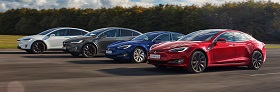
While plans for local production are dead, Tesla will maintain a sales footprint in India by continuing to sell imported Model Y vehicles through its showrooms in Mumbai, Delhi, Gurugram, and Bangalore.