
According to the publication Nature, some Indian scientists have produced influential, highly-cited studies in a number of fields in the past few years.
Here are summaries of the key research highlighted in the article for each listed field:
Strategies to reduce air pollution:
– Sachin Gunthe found seasonal shifts in sources of PM2.5 air pollution in India – from biomass burning in October to fossil fuel emissions in cities in December. This shows pollution control strategies must address changing conditions.
– In studies of Delhi’s pollution, Gunthe traced hazardous tiny particulate matter to interactions with ammonia and chlorine. The authors proposed reducing ammonia from agriculture and fossil fuels, and chlorine from plastic burning and e-waste.

Electrodes for a hydrogen economy:
– Krishanu Biswas developed low-cost, stable high-entropy alloy anodes for electrochemical water splitting to produce hydrogen. The anodes retained 80% efficiency after 10 hours, far better than conventional ones.
– Subrata Kundu used abundant layered double hydroxide architectures as electrode materials. He developed a nickel-cobalt LDH that serves as both cathode and anode for efficient and low-cost catalytic water splitting.
The roots of Parkinson’s disease:
– Samir Maji showed alpha-synuclein proteins can undergo liquid-liquid phase separation to form droplets that then turn into solid gels, similar to aggregates seen in brains of patients with Parkinson’s disease. Specific triggers such as mutations and metal ions can induce this.
– In a follow-up, Maji’s team identified triggers such as higher alpha-synuclein concentration, mutations, and higher salt levels expose the protein’s sections to interact and fuel harmful phase separation.
Origins of a drug-resistant yeast:
– Anuradha Chowdhary evaluated the prevalence of fluconazole-resistant Candida auris infections in Indian hospitals, finding most resistant and 25% multidrug-resistant. In the pandemic, 70% of C. auris isolates were multidrug-resistant.
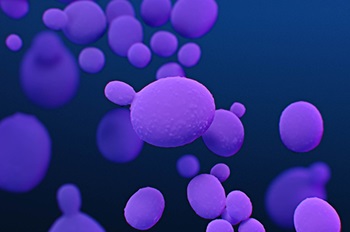
– Chowdhary uncovered C. auris closely related to clinical isolates in Indian wetlands and fruit, raising concerns that routine fungicide treatment of orchards could be creating a selective pressure that drives the resistance to therapeutic drugs in this yeast species.
Last updated: December 26th, 2025

