
After a postponed launch, India’s Chandrayaan-2 spacecraft started its journey to the Moon on July 22. Onboard it carried the Vikram lander and the exploratory Pragyan rover, equipped to search the lunar south pole for water and other valuable resources.
Things were going well for the lander until just before touching the lunar surface it went off course, and most likely landed with enough force to damage its communications equipment, as well as other instruments. ISRO, the state owned Indian Space Research Organization, has not admitted defeat and will keep trying to connect to Vikram for the next two weeks.
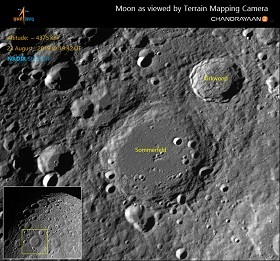
The Chandrayaan-2 orbiter will continue to monitor the Moon for up to seven years and the high-resolution images it takes will be vital to future international efforts to land on the Moon. Had the orbiter been lost too, then this mission would indeed be a failure. But the ingenuity of India’s scientists and engineers means that ISRO will now be able to conduct a myriad of phenomenal, cutting-edge lunar research regardless of whether or not they can salvage Vikram.
Last updated: December 26th, 2025

